Sciatica shows up like a lightning streak down the back of a leg. It can be dull and nagging for weeks, or it can drop you to your knees when you try to stand from a chair. People often blame a “pinched nerve,” and they are not wrong. The sciatic nerve itself is rarely the culprit, though. Usually, a nerve root in the lower spine gets irritated by a disc bulge, a bone spur, or inflamed joints and ligaments. That irritation sends pain along the nerve’s long path from the lower back through the buttock and into the calf and foot.
A pain medicine physician spends all day in this terrain. When sciatica lingers beyond a few days, or when it keeps coming back, that is the moment to involve a pain management doctor who can sort out the cause and map out a path to relief. Not every case needs a procedure. Not every case needs imaging on day one. The art is matching the severity and timeline of your symptoms to the least risky, most effective plan.
How a pain medicine physician approaches sciatica
People imagine a single visit for a shot and quick relief. Sometimes that is accurate, but the better comparison is a skilled guide who understands several routes up the same mountain. A board certified pain management doctor starts by clarifying what is truly sciatica and what only masquerades as it. Hip arthritis, sacroiliac joint dysfunction, piriformis syndrome, peripheral neuropathy, and vascular claudication can all impersonate radicular pain. Getting this wrong sends patients down unhelpful roads.
The first visit includes a focused history and exam, not a checkbox ritual. A pain management physician will ask what triggers pain and what eases it, where the pain travels, whether coughing or sneezing makes it worse, and whether there is foot drop, numbness in a “stocking” pattern, or saddle anesthesia. Those details matter because they separate a compressed nerve root from generalized nerve illness, or a problem from the hip joint rather than the spine.
During the exam, straight leg raise, crossed straight leg raise, heel and toe walking, and segmental strength testing help localize which nerve root might be irritated. Loss of ankle jerk points toward S1. Weakness with big toe extension fits L5. Pain with hip rotation without true radiating symptoms points away from the spine and toward the hip.
When imaging helps, and when it does not
Most sciatica improves over two to six weeks with activity modification, targeted exercise, and time. For that reason, a pain management specialist will often defer MRI during the first couple of weeks unless there are red flags. Those include progressive motor weakness, true foot drop, changes in bowel or bladder function, fever with back pain, cancer history, unexplained weight loss, or severe pain unresponsive to reasonable measures. With red flags, imaging is urgent. Without them, waiting a short period can spare you the distraction of incidental findings that many adults carry for years without symptoms.
When imaging is appropriate, MRI of the lumbar spine is the workhorse. It details discs, nerves, ligaments, and marrow. In rare cases, a pain medicine physician may request a CT myelogram for patients who cannot undergo MRI or who have complex postsurgical anatomy. X-rays can reveal alignment and degenerative changes, but they cannot show nerve compression.
Why sciatica hurts the way it does
Understanding the mechanics changes how you approach recovery. The nerve root gets irritated by a combination of physical pressure and inflammation. The disc can bulge or herniate, but it can also leak inflammatory proteins that sensitize the nerve. The facet joints can thicken or form osteophytes that narrow the space where the nerve travels. The ligaments can buckle. For some patients, the pain is chemical more than mechanical, which explains why easing inflammation can provide real relief even if the MRI still shows a disc bulge.
This is also why lifting technique and sustained posture matter. A small herniation becomes much louder when irritated by long periods of sitting without lumbar support, repeated bending and twisting, or rapid deconditioning after a week in bed. Addressing those patterns is as important as any prescription.
First-line care most people can try safely
As a pain management physician, I rarely prescribe strict bedrest. Two or three light days can settle a flare, but longer immobilization stiffens joints and weakens stabilizing muscles. I prefer relative rest with frequent position changes, short walks on level ground, and gentle nerve gliding exercises once severe spasm recedes.
Targeted physical therapy, started early, pays dividends. A good therapist can teach positions of relief, like the prone on elbows or modified McKenzie progressions, pain management doctor near me metropaincenters.com and hip-hinge mechanics for daily tasks. They also correct the common mistake of aggressive hamstring stretching, which can worsen nerve tension in the acute phase. We aim for neutral spine control, hip mobility, and core endurance rather than showy “strength” moves that flare symptoms.

Over-the-counter medicines can help. Acetaminophen can reduce pain perception without affecting platelets or stomach lining. Short courses of nonsteroidal anti-inflammatory drugs can calm inflamed nerve roots, though patients with ulcers, kidney disease, or certain heart risks should avoid them. Heat or ice is personal preference. Heat relaxes tight paraspinal muscles. Ice can numb a sharp flare. For many, a 10 to 15 minute session followed by gentle movement works well.
Where a pain medicine doctor adds leverage
People seek a pain management MD when the basics stall. That does not mean you failed. Sciatica has varied causes and thresholds. My role is to select interventions with the highest likelihood of relief and the lowest downside, matched to your specific pattern.
Medication strategy gets carefully tuned. Not all nerve pain responds to the same agents. Short courses of oral steroids can help select patients with acute, severe radiculopathy, especially within the first week. Sleep often suffers, so a night medicine such as a low dose muscle relaxant for a few days can help. For prolonged neuropathic symptoms, agents like gabapentin or pregabalin can be tried, though side effects like drowsiness, dizziness, and swelling limit use in some patients. We keep doses as low as necessary and reassess rather than leaving people on autopilot.
Opioids seldom help nerve pain and carry meaningful risk. A non opioid pain management doctor keeps them as a last resort, and only for a very short period during an acute, severe flare, if at all. Most patients do better with a layered non-opioid approach and targeted procedures when indicated, which makes an opioid alternative pain doctor valuable for those wanting pain management without surgery and without long-term opioid use.
Precision procedures that change the trajectory
Interventional pain specialists have tools that can interrupt nerve inflammation and allow rehab to progress. The most common for sciatica is a fluoroscopy-guided epidural steroid injection. There are three main approaches: transforaminal, interlaminar, and caudal. A transforaminal epidural targets the specific nerve root at the foramen where it exits, useful when MRI and exam agree on a single level like L5-S1 on the right. Interlaminar spreads medication more broadly in the epidural space, sometimes better when symptoms are bilateral or the level is unclear. Caudal injections via the sacral hiatus can help in post-surgical spines with scar tissue where higher approaches are difficult.
Here is how that looks in practice. In the procedure room, with sterile technique and live X-ray, a pain management injections specialist advances a needle to the precise location, confirms position with a small amount of contrast dye, then delivers a mix of local anesthetic and steroid. Most patients feel pressure, not sharp pain, and the whole process typically takes 10 to 20 minutes. Relief can arrive within a few days as the steroid takes effect, and it can last weeks to months. If the first injection gives strong relief that fades, a second can extend the benefit. I tend to stop at two or three injections over a year because more does not necessarily add value and raises steroid exposure.
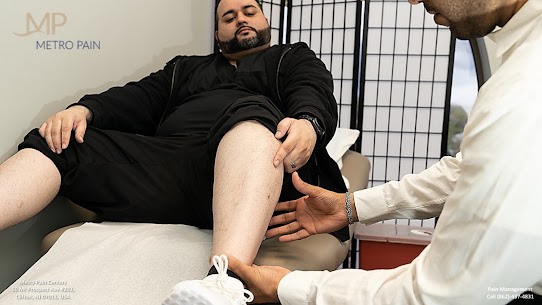
Not every radiating leg pain stems from a nerve root. If the sacroiliac joint or lateral hip structures are the drivers, a skilled interventional pain management doctor can perform diagnostic and therapeutic injections in those areas. For chronic back and leg pain from spinal stenosis where bones and ligaments have narrowed the canal, newer options like minimally invasive lumbar decompression performed by some interventional pain specialists can help carefully selected patients. These are not first-line choices but can be appropriate when conservative care fails and surgery is not preferred.
Radiofrequency ablation, familiar to many for facet-mediated back pain, is not a standard solution for true sciatica caused by nerve root compression. It can be helpful for coexisting facet pain that muddies the picture, which I see often in adults over 50, but it does not fix a herniated disc pressing on L5. A pain management and spine doctor will separate these pain generators so you are not chasing the wrong target.
The rehabilitation arc after procedures
An injection is a window, not a cure. The goal is to reduce pain enough to rebuild function. I typically coordinate with physical therapy within a week of meaningful relief. The therapist increases load gradually: supported extension work, hip abductor strengthening to control pelvic tilt, then progressive walking or cycling for endurance. People eager to “catch up” can overshoot in week one and end up back in a flare. Daily, small steps win this race.
Work adaptations matter. If you are at a desk, set a timer to stand every 30 to 45 minutes, and bring the screen to eye level. If you are on your feet, rotate tasks if possible to avoid repetitive flexion. I often write specific restrictions for a short period so employers have a clear plan, which helps patients avoid awkward conversations or unrealistic expectations.
When surgery enters the conversation
A pain management physician does not “replace” a surgeon. Our jobs overlap and complement each other. Surgery is rarely urgent for sciatica, but it can be transformative in the right scenario. Clear indicators include progressive motor weakness, significant neurological deficits like foot drop, or persistent, severe pain beyond six to twelve weeks despite well-executed non-surgical care. A microdiscectomy for a focal disc herniation compressing a single nerve root has strong outcomes for the right patient. For multilevel stenosis in older adults, decompression with or without fusion can help those with neurogenic claudication and limited walking endurance.
The goal is to use the least invasive measure that gives durable relief. A comprehensive pain management doctor gauges your response to conservative treatments and injections to determine whether further non-surgical options exist or whether a discussion with a spine surgeon would likely benefit you. Good programs operate as multidisciplinary pain management teams, including physical therapy, interventional pain specialists, and when needed, orthopedics or neurosurgery. That collaboration matters more than any single title.
The non-procedure toolkit that still moves the needle
Over two decades, the biggest drivers of long-term outcomes have been consistency and smart loading, not any one device or drug. I have seen patients in their 60s with stubborn sciatica improve by 70 percent or more simply by changing sitting habits, walking daily, and steadying their core. A small wedge pillow in the car, a lumbar roll at the desk, and hip-hinge technique for laundry and yard work cut the micro-irritations that keep nerves inflamed.
Sleep is underrated. Poor sleep amplifies pain signaling and increases sensitivity. If pain wakes you nightly, a pain relief doctor can time medication to cover those hours or suggest positions that reduce nerve tension, like side sleeping with a pillow between the knees and the top hip slightly flexed. Some patients benefit from short-term cognitive behavioral pain strategies to break the cycle of fear-avoidance that turns a bad month into a bad year.
Weight and conditioning also play quiet roles. A 10 to 15 pound weight loss in someone with central obesity reduces axial load and systemic inflammation. Add two or three weekly sessions of low-impact conditioning and you will notice a steadier baseline. None of this is dramatic in a single week, but it adds up.
Choosing the right pain management physician
Patients often search “pain management doctor near me” and land on a long list. Credentials help sort the field. Look for a pain medicine physician who is board certified in anesthesiology, physical medicine and rehabilitation, or neurology with additional fellowship training in pain medicine. Ask how often they perform spine injections, whether they use fluoroscopic or ultrasound guidance, and how they coordinate with physical therapy. A pain management and rehabilitation doctor often brings a strong functional focus. An interventional pain specialist doctor may offer the widest range of procedures. The common denominator should be careful evaluation and clear rationale for each step.
If you live with multiple painful conditions like migraines, fibromyalgia, or arthritis in addition to sciatica, a comprehensive pain management doctor can harmonize treatments so one plan does not worsen another. For example, some migraine preventives increase fatigue, which can derail a strengthening program. The right pain management provider spots those trade-offs.
Realistic expectations and timelines
The natural history of a disc herniation favors improvement. Many shrink over months as the body resorbs the herniated material. That is why time is an ally, and why a non surgical pain management doctor leans on progressive rehab and targeted injections rather than rushing to aggressive measures. Expect the first two weeks to be uneven, with good and bad days. Weeks three to six often bring a turning point if you stay active within reason and avoid provocative positions. If pain still controls your days after six to eight weeks, that is the moment to escalate with imaging and an epidural steroid injection if the pattern fits.
People like numbers. In my clinic, among patients with a clear unilateral radiculopathy who undergo a transforaminal epidural, roughly 60 to 70 percent report meaningful relief lasting several weeks to a few months. A smaller subset, perhaps 20 to 30 percent, gains long enough relief to complete rehab and avoid surgery entirely. For some, injections mainly clarify the diagnosis. If a well-placed injection gives no relief, we rethink the source, not keep repeating the same approach.
Edge cases and special situations
Pregnancy, prior spine surgery, diabetes, and osteoporosis change the calculus. For pregnant patients, we lean hard on positioning, physical therapy, and safer medications, reserving injections for severe cases and coordinating with obstetrics. In postsurgical spines, scar tissue complicates epidural spread, and a caudal approach may work better. Diabetics may see a transient bump in blood sugar after steroid injections, so tight monitoring and coordination with primary care is essential. Osteoporosis raises fracture risk during heavy lifting, so technique and gradual loading become non-negotiable.
Athletes bring a different challenge. They tolerate discomfort but need a precise return-to-play plan. Rushing powerful rotational activities like golf or tennis before adequate hip and core control is a recipe for relapse. I prefer criteria-based progressions: pain-free daily activities, then jogging without increased symptoms the next day, then controlled sport-specific drills, and only then full return.
What a complete care plan can look like
Imagine a 42-year-old warehouse supervisor with right-sided leg pain to the ankle after lifting a heavy box. Exam shows positive straight leg raise at 40 degrees and weakness in big toe extension. No red flags. We start with relative rest for four days, then daily walks and specific positions of relief. A short NSAID course if tolerated, heat twice daily, and sleep positioning with a pillow between the knees. By day 10, still significant pain. MRI shows a right paracentral L5-S1 disc herniation. We discuss options, and he elects a right L5-S1 transforaminal epidural steroid injection. Three days later, pain drops by half. Physical therapy begins with extension-biased work, gluteal activation, and education on hip hinge and lift technique. Two weeks later, 70 percent better. He returns to modified duty without repetitive bending. Over eight weeks, he builds tolerance, drops 8 pounds, and learns a maintenance program. At four months, he plays weekend basketball again, with a 10-minute warmup and a habit of changing positions at work. The herniation did not vanish on MRI, but the nerve quieted enough for function to return.
The role of a multidisciplinary pain management team
No single clinician owns sciatica. The best results come from coordinated care: a pain management expert physician to diagnose and perform targeted procedures, a physical therapist to retrain movement, and, when needed, a spine surgeon for structural solutions. Add a primary care doctor to manage comorbidities like diabetes or osteoporosis, and sometimes a psychologist to address pain-related fear or insomnia. This team approach keeps the plan moving even if one element stalls.
If you already see a chronic pain specialist for another condition, loop them in. They know your medication sensitivities, prior responses to injections, and baseline functional goals. A pain management consultation doctor who listens and adapts is worth their weight. They also guard against overtreatment, a risk in any specialty that offers procedures. The right question is not “What can we do?” but “What do we reasonably expect will help, and what are the risks?”
Simple ways to help yourself today
- Keep moving in small, frequent bouts. Sit no longer than 30 to 45 minutes without standing and walking for two to three minutes. Find a position of relief and revisit it: prone on elbows for 30 to 60 seconds, repeated a few times through the day if it eases leg pain. Use a lumbar roll or small towel at the chair’s low back to maintain neutral spine while sitting. Practice hip-hinge mechanics for picking things up, keeping the back flat and moving from the hips. Schedule a focused evaluation with a pain treatment doctor if severe pain persists beyond two weeks, or sooner if there are red flags like weakness or bowel or bladder changes.
What to expect from a visit with a pain management doctor for sciatica
A good visit should feel like a careful detective story, not a sales pitch. You will review your history, demonstrate what increases and decreases pain, and undergo a targeted neurologic and musculoskeletal exam. If red flags are absent and symptoms are early, you may leave with a rehab plan, medication adjustments, and a short follow-up interval. If your symptoms are persistent or severe, you may be scheduled for imaging and, when appropriate, a spinal injection with an epidural injection pain doctor or spinal injection pain doctor who performs these procedures regularly.
Ask about goals, not just steps. The plan should align with your priorities: lifting your toddler without fear, running a 5K, or simply driving to work without leg pain. A pain management practice doctor should also discuss risks, such as the small chance of infection or bleeding with injections, transient numbness or weakness from local anesthetic, or blood sugar elevations in diabetics. The consent conversation should be plainspoken and specific.
Final thoughts from the clinic
Sciatica can feel like a bully. It demands your attention and limits your days. Yet most cases respond to thoughtful, progressive care. The combination of smart movement, targeted therapy, and well-chosen interventions from a pain management physician gives you the best odds of steady improvement. If you are weighing options, reach out to a pain management MD who listens, examines carefully, and explains the why behind the plan. Whether you need a non surgical pain management doctor to steer rehab, an interventional pain management doctor for precise injections, or a pain management and orthopedics doctor to coordinate with a surgeon, the right guide makes the path clearer.
If you are searching for the best pain management doctor for your situation, focus on fit and philosophy as much as credentials. Look for a medical pain management doctor who favors the least invasive effective step, measures progress by function as well as pain scores, and partners with you. Sciatica may grab the wheel for a while, but with the right team and a steady approach, you can take it back.